
 English



Vicente Fernández’s Top 20 Famous Songs
Watching Narcos on Netflix gave me a front-row seat to many Mexican traditions, key among them was Mexican music. In this article, we delve into one of the most famous Mexican musicians, Vicente Fernández. Vicente Fernández, with his velvety vocals and profound storytelling, has become synonymous with the soulful genre of ranchera. His songs transcend mere notes and lyrics; they encapsulate the spirit of an entire cultural heritage. From the heart-wrenching ballad Volver, Volver to the triumphant El Rey, each composition is a chapter in a musical novel that narrates tales of love, loss, and the vast landscapes of Mexico.
As we navigate through the list of his most famous 20 songs, we’ll explore the emotional depth embedded in each lyric, the rich cultural tapestry woven into every melody, and the enduring legacy of a man who not only sang but became a living embodiment of Mexican identity. Vicente Fernández’s impact stretches far beyond the realms of music; it is a cultural phenomenon, a testament to the power of storytelling through song, and a timeless connection between the artist and the hearts that beat in harmony with his tunes. So, join me as we immerse ourselves in the musical legacy of Vicente Fernández.
1. Volver, Volver

Volver, Volver is an enduring masterpiece that showcases Vicente Fernández’s emotive vocal prowess and the essence of traditional ranchera music. Released in 1972, the song’s poignant lyrics express the heartache of lost love, capturing the pain of separation and the yearning to return. The melancholic yet uplifting melody, coupled with Fernández’s impassioned delivery, transforms this piece into an anthem of love and resilience, resonating deeply with audiences across generations.
2. Por Tu Maldito Amor
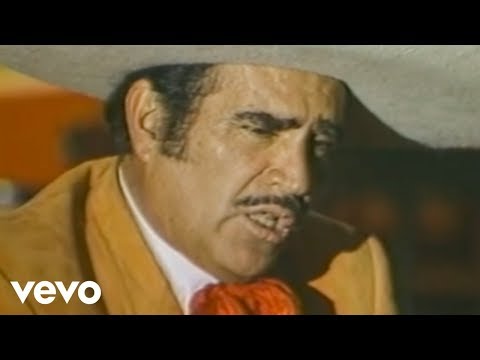
Por Tu Maldito Amor stands as an iconic representation of Vicente Fernández’s ability to convey heartbreak through soulful melodies. Released in 1989, the song delves into the complexities of a love tainted by pain and regret. Fernández’s evocative vocals breathe life into the lyrics, capturing the raw emotion of a love that lingers despite the agony it brings. The mariachi-infused arrangement amplifies the traditional ranchera feel, making this track a timeless expression of love’s enduring torment.
3. El Rey

El Rey is a triumphant anthem that solidifies Vicente Fernández’s status as the undisputed king of ranchera. Released in 1976, the song exudes confidence and swagger as Fernández embraces the role of a proud and unstoppable ruler of love. The mariachi arrangements and Fernández’s commanding vocals make El Rey a powerful declaration of self-assuredness, turning it into an anthem celebrated not just in Mexico but across Latin America.
4. Aca Entre Nos

Aca Entre Nos is a soul-baring confession of personal struggles and heartache. Released in 1987, the song reveals Vicente Fernández’s vulnerability through its intimate lyrics and stripped-down arrangement. The poignant narrative, delivered with emotional depth in Fernández’s voice, creates an authentic connection with listeners. Aca Entre Nos is a masterclass in ranchera storytelling, allowing Fernández to showcase his ability to evoke profound emotions through his music.
5. Me Voy a Quitar de en Medio

Me Voy a Quitar de en Medio is a spirited and lively track that showcases Vicente Fernández’s versatility. Released in 1983, the song’s upbeat tempo and energetic mariachi arrangements convey a sense of celebration and determination. Fernández’s charismatic delivery infuses the lyrics with joy and a touch of humour, creating a vibrant and memorable piece that resonates with the vivacious spirit of Mexican culture. Me Voy a Quitar de en Medio stands as a testament to Fernández’s ability to captivate audiences with not only profound ballads but also infectious and lively compositions.
6. Mujeres Divinas

Mujeres Divinas is a timeless ballad that pays homage to the beauty and resilience of women. Released in 1989, Vicente Fernández’s heartfelt rendition captures the essence of traditional Mexican ranchera. The song’s emotive lyrics express admiration for the strength and grace of women, accompanied by Fernández’s rich vocals and a melancholic melody. Mujeres Divinas stands as a testament to Fernández’s ability to elevate everyday sentiments into poetic expressions, creating a lasting tribute to the divine nature of women.
7. Cien años

Cien años is a classic ranchera that explores the theme of enduring love. Released in 1984, the song’s title translates to One Hundred Years, symbolizing the timeless nature of the narrator’s devotion. Vicente Fernández’s powerful vocals infuse the lyrics with passion and depth, creating an emotional narrative that resonates with listeners. The mariachi instrumentation complements the romantic theme, making Cien años a quintessential love ballad that transcends generations.
8. La Ley del Monte

La Ley del Monte is a spirited ranchera that tells a tale of resilience and determination. Released in 1977, the song’s title translates to The Law of the Mountain, metaphorically representing the challenges one must face in life. Vicente Fernández’s robust vocals and the lively mariachi arrangements infuse the track with energy and optimism. La Ley del Monte became an anthem for those confronting life’s adversities, celebrating the indomitable spirit that prevails against the odds.
9. Estos Celos

Estos Celos is a soul-stirring ballad that delves into the complexities of jealousy in love. Released in 1990, Vicente Fernández’s emotional delivery and poignant lyrics create a visceral portrayal of the narrator’s internal struggles. The mariachi accompaniment adds depth to the melancholic melody, enhancing the emotional impact of the song. Estos Celos showcases Fernández’s ability to convey intense emotions through his music, making it a standout piece in his extensive discography.
10. La Diferencia

La Diferencia is a poignant reflection on the nuances of love and heartbreak. Released in 1989, the song explores the difference between a fleeting romance and a love that endures. Vicente Fernández’s evocative vocals, coupled with the melancholic mariachi arrangement, create a powerful narrative of introspection and longing. La Diferencia stands as a testament to Fernández’s ability to articulate the complexities of human emotions, making it a revered classic in the realm of Mexican ranchera music.
11. Hermoso Cariño

Hermoso Cariño is a timeless love ballad that showcases Vicente Fernández’s ability to convey deep emotions through his soulful voice. Released in 1981, the song’s title translates to Beautiful Love, and it encapsulates the tenderness and beauty of profound affection. Fernández’s heartfelt delivery, coupled with the traditional mariachi instrumentation, creates an enduring masterpiece that resonates with lovers and romantics alike.
12. La Tragedia del Vaquero
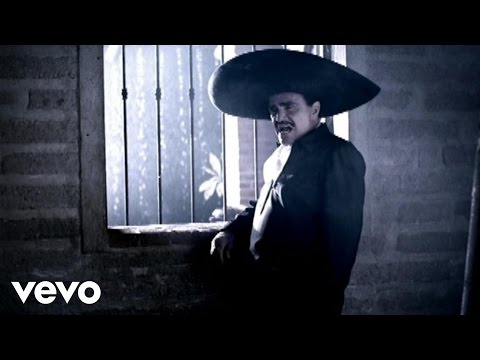
La Tragedia del Vaquero” narrates a cowboy’s tragic tale, blending Fernández’s narrative prowess with the traditional ranchera style. Released in 1983, the song explores themes of love, loss, and the harsh realities of a cowboy’s life. Fernández’s evocative storytelling, complemented by the emotive mariachi accompaniment, paints a vivid picture of the cowboy’s struggles and heartbreak, making it a compelling addition to Fernández’s repertoire.
13. Que Te Vaya Bonito

Que Te Vaya Bonito is a poignant farewell ballad that reflects on parting ways with grace and well-wishes. Released in 1983, the song’s title translates to May it Go Well for You. Fernández’s emotive vocals, accompanied by a melodic arrangement, convey a mix of sadness and goodwill. The song resonates as a heartfelt expression of accepting the end of a relationship with dignity and sincerity, showcasing Fernández’s ability to capture the nuances of human emotions.
14. Palabra de Rey

Palabra de Rey is a spirited anthem that celebrates Fernández’s reputation as the king of ranchera. Released in 1990, the song’s title translates to A King’s Word, and it serves as a declaration of Fernández’s authority in the realm of Mexican music. With its lively mariachi instrumentation and Fernández’s commanding vocals, Palabra de Rey stands as a triumphant expression of his cultural influence and enduring legacy.
15. De Que Manera Te Olvido

De Que Manera Te Olvido is a soulful ballad that explores the complexities of forgetting a past love. Released in 1982, the song’s title translates to In What Way I Forget You. Fernández’s emotive delivery and the melancholic melody convey the struggles of moving on from a profound emotional connection. The traditional ranchera arrangement adds depth to the heartfelt lyrics, making De Que Manera Te Olvido a poignant exploration of love’s lingering impact.
16. El Hijo del Pueblo

El Hijo del Pueblo is a spirited ranchera that tells the story of a son of the people. Released in 1987, the song celebrates the pride and resilience of the common man. Vicente Fernández’s powerful vocals convey a sense of authenticity and cultural pride, while the mariachi instrumentation adds a vibrant and energetic touch. El Hijo del Pueblo stands as a testament to Fernández’s ability to capture the spirit of the working class and connect with the hearts of his audience through compelling storytelling.
17. Mentiras

Mentiras is a soul-stirring ballad that delves into the theme of deception and heartbreak. Released in 1992, the song’s title translates to Lies, and it explores the emotional turmoil of discovering untruths in a relationship. Vicente Fernández’s emotive vocals, coupled with the melancholic mariachi arrangements, convey the pain and betrayal associated with dishonesty. Mentiras stands as a poignant reflection on the fragility of trust and the emotional toll of being misled in matters of the heart.
18. Lástima Que Seas Ajena

Lástima Que Seas Ajena is a classic ranchera that revolves around the theme of unrequited love. Released in 1988, the title translates to Too Bad You Belong to Someone Else. Vicente Fernández’s expressive vocals and the traditional mariachi arrangements create a melancholic atmosphere. The song eloquently expresses the agony of loving someone who is unavailable, making it a resonant addition to Fernández’s repertoire of heart-wrenching ballads.
19. Celosa

Celosa is an upbeat and lively ranchera that explores the theme of jealousy. Released in 1981, the song’s title translates to Jealous. Vicente Fernández’s charismatic vocals, combined with the vibrant mariachi instrumentation, create a festive and energetic composition. Celosa captures the playful side of ranchera music, showcasing Fernández’s ability to infuse joy and humour into his repertoire while maintaining the genre’s authenticity.
20. Para Siempre

Para Siempre is a romantic and timeless love ballad released in 2007. The title translates to Forever, and the song expresses enduring devotion and commitment. Vicente Fernández’s emotive vocals, accompanied by sweeping orchestration, create a captivating and sentimental atmosphere. Para Siempre stands as a testament to Fernández’s ability to evoke deep emotions through his music and is celebrated as a beautiful declaration of everlasting love.
Vicente Fernández’s impact on Mexican music is immeasurable, and these songs represent just a fraction of his remarkable career.
Planning a trip to Paris ? Get ready !
These are Amazon’s best-selling travel products that you may need for coming to Paris.
Bookstore
- The best travel book : Rick Steves – Paris 2023 – Learn more here
- Fodor’s Paris 2024 – Learn more here
Travel Gear
- Venture Pal Lightweight Backpack – Learn more here
- Samsonite Winfield 2 28″ Luggage – Learn more here
- Swig Savvy’s Stainless Steel Insulated Water Bottle – Learn more here
Check Amazon’s best-seller list for the most popular travel accessories. We sometimes read this list just to find out what new travel products people are buying.