
 English


Sophie Daumier 1963-by Yves Salgues-Wikimedia Commons
20 Famous People with Huntington’s Disease
Originally published by i and updated by John K in February 2024
A person with Huntington’s disease experiences brain damage that affects their ability to move, think, and behave normally. The area of the brain that separates incoming and outgoing impulses is impacted, which causes the brain cells there to degenerate gradually. Huntington’s disease affects 7 out of every 100,000 persons worldwide. Although this may not seem like a lot, the death rate rises yearly and may keep rising until a cure is found.
Huntington’s disease cases are increasing each year in a variety of nations, including Western Europe, Australia, and Venezuela. We rarely hear about prominent people who have dementia, but some celebrities have made it their mission to inform and educate their audience. Several such well-known Huntington’s disease sufferers are discussed in this article.
Read also; 10 Famous People with Parkinson’s Disease
Famous People Living with Huntington’s Disease
1. Charles Sabine

Charles Sabine speech-by RLYSIO-Wikimedia Commons
Charles Edward Sabine, a television journalist with an Emmy Award, was born in Rinteln, West Germany, on April 20, 1960. After working for the US network NBC News for 26 years, he became a spokesperson for people with degenerative brain disorders and their families around the world. He founded the Hidden No More Foundation and is active in the four continents’ advocacy and charitable areas.
In 2006, Charles received a Huntington’s disease diagnosis. Several of his family relations have passed away as a result of Huntington’s illness (including his father and brother). Although Charles is aware that there is no cure for this illness, he maintains a cheerful outlook on life. He delivered an outstanding lecture in Basel, Switzerland, honoring World Rare Disease Day on the same theme.
2. Trey Gray
George Lewis Gray, III, sometimes known as Trey Gray, was born to Cindy and George in Indianapolis, Indiana, in the United States. He plays drums professionally for the group “Brooks and Dunn.”Trey was ready to advance his drumming career at the age of 30, and his future appeared to be quite promising. But sadly, he ran into trouble when he learned that his mother and then his uncle had been diagnosed with Huntington’s disease, a rare hereditary condition.
His gene test results were positive in 2003, but the drummer nevertheless persisted in performing with “Brooks and Dunn.”In an interview with Brent Weber of the Fox 25 Morning News in Oklahoma City, Trey expressed his thankfulness for his experiences up to that point and for his career achievement. “I have had an extraordinary life, and I feel incredibly blessed ” he declared. Gray is willing to make the most of this one precious life and has been a true inspiration for individuals with Huntington’s disease.
3. Marianna Palka

Marianna Palka 2019-by Lucianasuero-Wikimedia Commons
Barbara Marianna Barbara Palka is a Scottish actor, producer, director, and writer who was born on September 7, 1981. She is the author, director, and star of the Sundance Film Festival-screened movie Good Dick. The popular Netflix series “Glow” lead Marianna Palka tested positive for Huntington’s disease. Her heartbreaking and frank look at how Huntington’s affected her family and how she received her diagnosis was featured in the award-winning short film “The Lion’s Mouth Opens,” which she also directed.
4. Erin Pryce
Due to the potential risk, the Pryce sisters were required to undergo testing following the death of Jim Pryce, their father, from Huntington’s disease. Testing began with the twins and their results were negative.”Kelly and I were relieved, but right away, I wondered about my sisters and what their circumstances would be,” recalls Kimberly. Huntington’s is a condition that runs in families.
Tracy’s test came back negative, and Erin tested positive for Huntington’s illness.”When they diagnosed my dad, they stated that my sisters and I were at risk,” the youngest Pryce, Erin, recalled. All four sisters participate in the HDSA’s annual fundraising walk in Maryland and solicit support from friends and family. Erin has consistently been one of the top fundraisers for the HDSA walk, in which Bang has taken part for many years.
Famous People Who Died of Huntington’s Disease
5. Woody Guthrie

Woody Guthrie 2-by Urban-Wikimedia Commons
American singer-songwriter and one of the most important figures in American folk music, Woodrow Wilson Guthrie was born on July 14, 1912, and died on October 3, 1967. He has influenced numerous generations musically and politically with songs like “This Land Is Your Land,” which was penned in opposition to the American exceptionalist anthem “God Bless America.”
Woody’s behavior started to become incredibly violent and intolerable in the late 1940s, which began to have an impact on his relationships and employment. It wasn’t until 1952 that Huntington’s disease was finally identified as the actual cause of his ailment. His health worsened as a result of his inability to control his muscles; he was admitted to hospitals multiple times before finally passing away in 1967 at the Creedmoor Psychiatric Center in Queens Village, New York.
6. Eve Babitz
Eve Babitz was a visual artist and author who lived in the United States from May 13, 1943, to December 17, 2021. She is best known for her semi-fictionalized memoirs and her connections to the Los Angeles cultural scene. Babitz passed away at 78 while in U.C.L.A. Medical Center in Los Angeles. Her sister Mirandi Babitz, who is the only one of her to have survived, said that complications from Huntington’s disease were to blame.
7. Jody Abbott

Fuel at MWR Rock the Fleet 3-by Sgt. Randall A. Clinton-Wikimedia Commons
The original drummer for the alt-rock band Fuel, Jody Abbott, passed away on July 20, 2022, after a protracted battle with Huntington’s disease. The Huntington’s Disease Society of America (HDSA) confirmed his passing on July 29. Abbott co-founded Fuel in 1989 in Pennsylvania where he was born. He provided the drumming on the group’s first four EP releases, Small the Joy (1994), Fuel (1994), Porcelain (1996), and Hazleton (1996).
8. Sophie Daumier
Sophie Daumier was a French actress who lived from 24 November 1934 to 31 December 2003. 28 movies featured her between 1956 and 1979. During her 1965–1977 marriage to Guy Bedos, Daumier started acting more oddly than normal. Her increasingly violent behavior forced Bedos to leave her home and spend the evenings in hotels. Finally, the situation grew untenable, and he was forced to file for divorce. He subsequently said, “If only I’d known what was wrong with her, I’d never have divorced her.”
Daumier’s odd behavior got worse and it was finally, determined that she was experiencing the early stages of Huntington’s chorea, a rare inherited condition named after the American neurologist George Huntington who originally identified it. On December 31, 2003, at the age of 69, she passed away in Paris from Huntington’s disease.
Read also; 10 Famous People with Epilepsy
9. John Paul Jr. (racing driver)

John Paul Jr-by Collection of U.S. House of Representatives-Wikimedia Commons
American racing driver John Lee Paul Jr. was born on February 19, 1960, and he passed away on December 29, 2020. He participated in CART and the Indy Racing League events, but his main focus was the IMSA GT Championship, where he won the championship in 1982. After seeing that the telemetry of the Corvette GT-1 he was testing did not correspond to what he believed his feet were doing in the vehicle, Paul Jr. announced his retirement from competitive racing in 2001.
He was diagnosed with Huntington’s disease, a degenerative neurological ailment, after a subsequent medical examination. Paul Jr. passed away in Woodland Hills, California, on December 29, 2020. Sylvia Wilkinson, a writer and racing journalist, wrote a book titled 50/50, The Story of Champion Race Car Driver John Paul Jr. and His Battle with Huntington’s Disease, about Paul Jr. in 2018.
10. Leo Ferris
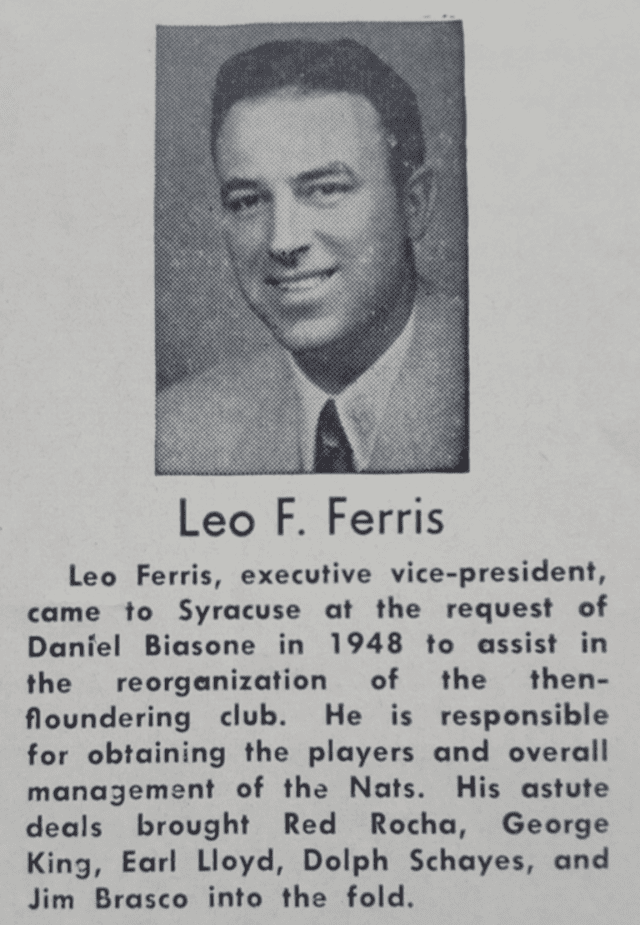
UncleLeoF.Ferris-by Figuebroa17-Wikimedia Commons
Leo F. Ferris, an American sports executive and businessman from Elmira, New York, was born on May 31, 1917, and died on June 1, 1993. He is most known for his role in the development of the National Basketball Association’s 24-second shot clock. 76-year-old Ferris passed away in 1993 from Huntington’s illness. His wife Beverly and daughter Jamie, who remained by his side until the day of his passing, worked hard to get him recognized by regional media outlets and groups in his later years.
11. Peter Martell (Canadian football)
Peter George Martell, a Canadian football player who competed for the Winnipeg Blue Bombers and Montreal Concordes of the Canadian Football League, was born on April 23, 1959, and passed away on July 31, 2016. (CFL). He played at St. Francis Xavier University before his CFL career. In the late afternoon of July 31, 2016, while being cared for by family members and the staff of the Mount Hope Assisted Care Facility in Dartmouth, Nova Scotia, Pete passed away following a protracted struggle with Huntington’s Disease. Despite the difficulties he faced as Huntington’s disease progressed in his latter years, Martell kept his sense of humor, frequently related family stories, and frequently spoke with pride about his sons.
12. John Pirro
John Pirro was a former lacrosse player and coach. He was a three-time first-team All-American, two-time Defender of the Year, three-time ODAC Coach of the Year, and a member of the Roanoke College Athletic Hall of Fame in addition to the Charlottesville and Long Island Lacrosse Halls of Fames. He was named one of the 24 finalists for election to the National Lacrosse Hall of Fame in 2011.
Pirro participated in lacrosse from 1974 to 1977 at Roanoke College and won the NCAA Division II-III Defenseman of the Year Award in 1976 and 1977. He played lacrosse for the Long Island Lacrosse Club after graduating, where he was named to the USCLA’s first team. Pirro, who was diagnosed with Huntington’s disease in 2001, passed away on August 13, 2013, as a result of the disease’s consequences.
13. Webster Wells

Webster Wells-by Unknown author-Wikimedia Commons
Webster Wells was born in Roxbury, Massachusetts on September 4, 1851, and died in Arlington, Massachusetts on May 23, 1916. He was an American mathematician best known for his authorship of mathematical textbooks. On May 23, 1916, Wells passed away in Arlington, Massachusetts, from symptoms related to Huntington’s disease. He was laid to rest in Medford, Massachusetts’ Oak Grove Cemetery.
Read also; 60 Famous People Who Died from COVID-19
14. Malcolm Colledge

Sanchi Stupa number 2 KSP 3676-by Kevin Standage-Wikimedia Commons
A renowned expert on Palmyra art, Professor Malcolm Andrew Richard Colledge was a British archaeologist who lived from 12 October 1939 to 22 June 2015 and made numerous trips to the Middle East. During the course of his employment, he was detained in Turkmenistan and Jordan. Malcolm received the tragic diagnosis of Huntington’s Disease in 1995 and was subsequently confined to a wheelchair following a failed hip surgery. Despite that, he continued to practice his art through painting, sculpture, and mosaic work and visited exhibitions whenever he could until his death in 2015.
15. Jim Pryce
Jim and Barbara Pryce received a call from the physician who had identified Jim’s mother as having Huntington’s illness while they were expecting Kim and Kelly, a set of twins in 1977. He alerted Jim that there might be a danger for him and other members of their family. Although the tests were inconclusive, Jim received genetic counseling, and the results were encouraging. However, Jim’s wife Barbara and their kids began to notice changes in him after 15 years. Tracy and Erin were Kim and Kelly’s younger sisters at the time. Jim underwent yet another test at Johns Hopkins and his results turned positive. Despite receiving supportive treatment, the unrelenting sickness advanced. Pryce passed away in June 2015, surrounded by his loved ones.
16. Nancy Wexler
Nancy Wexler, a distinguished geneticist and advocate for Huntington’s Disease research, has devoted her career to understanding and combating Huntington’s Disease.
Born into a family affected by the condition, she received her own diagnosis in 1981. Through pioneering research in Venezuela and the discovery of the mutant gene responsible for Huntington’s Disease, Wexler has significantly advanced the field.
Her unwavering commitment, public speaking engagements, and fundraising initiatives have sparked hope and progress in the pursuit of a cure for this debilitating neurodegenerative disorder.
Wexler’s resilience and perseverance stand as a beacon of inspiration in the ongoing battle against Huntington’s Disease.
17. George Huntington
George Huntington, a pioneering American physician born in 1850, detailed the condition that would later be known as Huntington’s Disease in 1872. Despite his significant contributions to medicine, he faced a personal battle with the disease he described.
Diagnosed with the full name of the disease in his later years, he experienced the gradual decline and challenges associated with the condition. Despite these struggles, he continued to advocate for advancements in understanding and treating the disease.
His legacy lives on through his groundbreaking work and the ongoing efforts to combat Huntington’s Disease, serving as a reminder of the impact of his medical observations and dedication to the field.
18. Marjorie Guthrie
Marjorie Guthrie, wife of Woody Guthrie, co-founded the Committee to Combat Huntington’s Disease after witnessing her husband’s battle with the condition. Although she did not suffer from the disease personally, she became a passionate advocate for increased awareness and funding for research.
Marjorie’s relentless campaigning led to the establishment of the Hereditary Disease Foundation, which continues its mission today.
Her devotion to supporting patients and their families serves as a testament to her strength and compassion during a difficult period in history when little information existed regarding Huntington’s Disease.
Marjorie’s legacy stands as a shining example of how one person can make a profound impact in the fight against a devastating neurological disorder.
19. Leonore Sabin
Leonore Sabin, wife of Milton Wexler — a central figure in the discovery of the Huntington’s Disease gene — was diagnosed with the full name of the disease in 1978.
Despite facing the challenges associated with the condition, Leonore remained a staunch ally of her husband’s endeavours and a fervent advocate for increased research into Huntington’s Disease.
She was a founding member of the Hereditary Disease Foundation and contributed greatly to raising awareness and securing funds for HD research.
Leonore’s unflinching resolve in the face of the disease served as an inspiring example for both those suffering from it and those committed to eradicating it.
20. Webster Wells
Webster Wells, an accomplished American mathematician, lost his life to complications arising from Huntington’s Disease. Though not initially recognized as having the condition, Webster’s deterioration eventually revealed itself as part of the broader spectrum of Huntington’s Disease symptoms.
Despite the progressive nature of the disease, Webster maintained a strong presence in academia and mathematics communities until his passing.
His story highlights the importance of early detection and intervention in managing Huntington’s Disease, underscoring the need for greater awareness and accessibility to resources for those affected by the condition.
20 Facts about Huntington’s Disease
Huntington’s disease has puzzled doctors and devastated families for generations. As a neurodegenerative disorder without a cure, it causes progressive brain cell death leading to uncontrolled movements, emotional problems, and loss of thinking ability.
When I first learned about Huntington’s from the iconic movie “Lorenzo’s Oil”, I was moved by the struggles faced by those impacted. Join me as I shine a light on 20 enlightening facts about this complex illness.
We will look at famous figures like folk singer Woody Guthrie and learn how the defective huntingtin gene was discovered in 1993 by scientist James Gusella. We’ll explore emerging treatments offering hope to the 30,000 Americans fighting Huntington’s today.
From genetic testing to symptom management, my goal is to spread awareness and compassion for those living with this debilitating disease. By understanding more about Huntington’s, we can support those affected and their caregivers while researchers keep striving toward better futures.
1. Rare Genetic Disorder: Huntington’s Disease and Progressive Nerve Cell Breakdown

Courtesy of YouTube
Huntington’s disease tragically robs people of their mental faculties over time. As nerve cells in the brain progressively malfunction and die, movements, cognition, and emotions are profoundly impacted.
When legendary folk singer Woody Guthrie succumbed to Huntington’s in 1967, his wife Marjorie founded the Committee to Combat Huntington’s Disease. This organization funded crucial research by scientists like Milton Wexler and Nancy Wexler, leading to the discovery of the huntingtin gene in 1983.
Further studies at institutions like Johns Hopkins University by researchers such as Susan Folstein have increased understanding of Huntington’s inheritance patterns and epidemiology.
Though currently incurable, increased awareness and supporting organizations like the Huntington’s Disease Society of America give hope that treatments will continue advancing, sparked by luminaries like Guthrie’s brave family.
2. Defective Gene, Faulty Protein: Huntington’s Disease and Brain Damage Accumulation
The discovery that a single defective gene causes Huntington’s disease revolutionized understanding of this devastating illness. In 1983, landmark research by scientist James Gusella localized the genetic mutation that produces the huntingtin protein linked to Huntington’s.
Nancy Wexler, whose mother had been afflicted by the disease, led a team to Venezuela where they identified this mutant gene in the world’s largest Huntington’s kindred.
Since then, research by scientists like Marcy MacDonald has further clarified how the mutated huntingtin protein accumulates and damages neurons. Famous individuals like Woody Guthrie have put a face to Huntington’s sufferers.
Though currently incurable, the identification of this genetic defect offers hope that future treatments developed by dedicated researchers may ameliorate or prevent this tragic nerve cell degeneration.
3. Midlife Onset and Progressive Decline: Symptoms of Huntington’s Disease

Courtesy of YouTube
The emergence of Huntington’s disease symptoms in adulthood, often in a patient’s 30s or 40s, adds to the tragedy of this illness.
As the defective huntingtin protein increasingly damages brain cells, previously healthy individuals gradually lose control of their movements, minds, and moods over 10 to 25 painful years.
Public figures like American folk singer Woody Guthrie have illustrated the anguish of Huntington’s physical and psychiatric symptoms. Pioneering scientists like George Huntington, who first documented the condition in 1872, helped characterize its inexorable progression.
Ongoing research by dedicated clinicians aims to improve the quality of life by managing Huntington’s challenging symptoms.
While currently incurable, there is optimism that future breakthroughs may ameliorate or prevent the cognitive decline, involuntary motions, and psychiatric problems causing profound disability for Huntington’s patients.
4. No Cure, Symptom Management: Approaches to Huntington’s Disease Treatment
The absence of a cure for Huntington’s disease has motivated intense research seeking to unlock effective treatments. Since George Huntington first characterized this condition in 1872, generations have suffered from its relentless progression.
However, scientists like Marcy MacDonald have made breakthroughs elucidating the mutant huntingtin protein’s role. Organizations such as the Huntington’s Disease Society of America, founded in 1968, have funded promising research and supported families.
Though unable to halt Huntington’s, treatments to manage symptoms have incrementally advanced. Patients following rigorous physical therapy under clinicians like Dr Adam Rosenblatt at Johns Hopkins may prolong mobility and independence.
While profoundly challenging for patients like folk musician Woody Guthrie, the incurable nature of Huntington’s has inspired the work of dedicated researchers, doctors and advocates in the quest to one day vanquish this disease.
5. Prevalence and Inheritance Risk of Huntington’s Disease in the United States

Courtesy of YouTube
The estimated 30,000 Americans suffering from Huntington’s disease today, with over 200,000 at risk, demonstrate the immense impact of this devastating illness.
Since George Huntington’s seminal description in 1872, doctors like Milton Wexler have worked tirelessly to document its occurrence and inheritance patterns. Researchers such as Nancy Wexler analyzed large familial clusters like those in Venezuela to map the mutant gene causing Huntington’s.
Clinicians including Susan Folstein contributed seminal epidemiological studies of communities in Maryland. Famous individuals like folk legend Woody Guthrie put a face to the tragic suffering caused by Huntington’s.
Though much progress has been made, the sheer numbers affected motivate continued efforts from scientists, doctors and supportive organizations to one day eradicate Huntington’s from afflicting America’s families.
6. Inheritance Probability of Huntington’s Disease Gene in Offspring
The tragic 50% chance of inheriting Huntington’s disease haunts the children of affected parents. Pioneering scientists like Milton Wexler, who lost family to Huntington’s, worked tirelessly to prove its heritability.
Researchers like James Gusella localized the mutant huntingtin gene in 1983, enabling testing for Huntington’s defect. Clinicians including Nancy Wexler analyzed multigenerational familial clusters to elucidate genetic transmission.
Understanding Huntington’s inheritance empowered ethical counselling of at-risk youth like Woody Guthrie’s children. While currently incurable, scientists keep seeking treatments, inspired by advocates like Marjorie Guthrie, who carried the defective gene.
Genetic knowledge guides family planning and motivates scientists like Susan Folstein to push for breakthroughs to eventually defeat this scourge, sparing future generations from Huntington’s 50-50 inheritance odds.
7. Equal Prevalence of Huntington’s Disease Across Genders and Ethnicities

Courtesy of YouTube
The tragic reality that Huntington’s disease afflicts all people equally has motivated many advocates. Pioneering researcher George Huntington initially documented its occurrence in the late 1800s. Clinicians like Susan Folstein further characterized its epidemiology and non-discriminating heritability.
Famous figures like American folk singer Woody Guthrie and patients worldwide in Venezuela studied by Nancy Wexler prove Huntington’s crosses ethnicities. Its equitable gender distribution was evidenced through Marjorie Guthrie, who fought tirelessly for research after her husband Woody succumbed.
Huntington’s lack of prejudice led to advocacy groups like the Committee to Combat Huntington’s Disease that fundraised tirelessly.
While currently incurable, the dedication of scientists and supporters inspired by its indiscriminate impact pushes ever closer toward a day when effective treatments become available to Huntington’s patients from all backgrounds.
8. Recognizable Signs of Huntington’s Disease: Mental Changes and Challenges
The subtle mood, cognitive, and motor difficulties characteristic of early-stage Huntington’s disease can perplex affected individuals and families. As the defective huntingtin protein first begins damaging neurons, patients like folk singer Woody Guthrie display mood swings, irritability, or depression.
Learning and memory challenges develop, compromising skills like driving. Clinicians including Dr. Ira Shoulson at Georgetown University have helped characterize these insidious initial symptoms.
Neuroscientists like Dr. Anne Young at Massachusetts General Hospital study brain changes underlying emerging deficits. Though profoundly distressing, understanding early Huntington’s signs better positions doctors to offer counselling and therapies promoting quality of life.
Scientists remain dedicated to deciphering root causes in hopes of future breakthrough treatments. While currently incurable, progress gives hope that one day we may illuminate Huntington’s disease early enough to halt its tragic progression.
9. Progressive Symptoms of Huntington’s Disease: Motor Impairment and Cognitive Decline

Courtesy of YouTube
The relentless progression of Huntington’s disease to impair movements, thinking, and vital functions like swallowing fills patients and families with apprehension.
As the degeneration of neurons proceeds, uncontrollable motions emerge, termed chorea by George Huntington when he first documented this condition. Gradually, patients like folk singer Woody Guthrie decline until needing total care.
However, scientists like Dr. Jean Paul Vonsattel at Columbia University have mapped pathological changes underlying Huntington’s advancement. Dedicated clinicians guide patients through emerging disabilities via rehabilitation approaches maximizing independence.
Physical, speech and swallow therapies at centres like Johns Hopkins may prolong vital capabilities. Though profoundly difficult, understanding the stepping stones of Huntington’s decline better equips doctors to support quality of life.
Researchers remain tirelessly committed to decelerating this devastating disease’s course.
10. End-Stage Huntington’s Disease: Full-Time Care and Common Complications
The devastating late stage of Huntington’s disease, robbing even basic functioning, has spurred efforts to improve end-of-life care. As the defective huntingtin protein irreversibly destroys neurons, patients like folk legend Woody Guthrie require total assistance.
Difficulties walking, speaking and swallowing precipitate dangerous complications, as George Huntington initially observed. However, clinicians like Dr. Martha Nance at the Hennepin County Medical Center have made dignified hospice support a priority through expert symptom management.
Multidisciplinary teams enhance the remaining quality of life via occupational and speech therapy, nutritional support and compassion. Though profoundly anguishing, the shared goal of researchers, doctors and loved ones is maximizing comfort.
Understanding Huntington’s complex end-stage empowers caregivers to accompany patients with empathy. Though currently incurable, hope persists that future generations may be spared Huntington’s most tragic outcomes.
11. Early Signs of Huntington’s Disease in Children: Motor and Behavioral Changes

Courtesy of YouTube
The emergence of neurological problems in childhood unique to juvenile Huntington’s disease has propelled research into this heartbreaking affliction.
As the defective huntingtin gene wreaks havoc on developing brains, children may display progressive clumsiness, speech changes, anxiety or learning delays.
Pioneering scientists like Peg Nopoulos at the University of Iowa have characterized how mutated huntingtin affects young minds and bodies. Accounts of affected youth, like Woody Guthrie’s daughter Nora, draw attention to juvenile Huntington’s profound impact on families.
While currently incurable, scientists aim to illuminate neurological underpinnings, like Dr. Jean Paul Vonsattel’s neuropathology insights.
Though profoundly challenging, every advance in understanding brings hope for better treatments for children. Dedicated researchers strive to elucidate Huntington’s earliest signs to aid families and someday spare youth from this devastating disorder.
12. Juvenile Huntington’s Disease: Impacting Young Lives in About 10% of Cases
The revelation that approximately 10% of Huntington’s disease cases devastate children and teenagers fueled research into this especially tragic form. Clinicians like Peg Nopoulos at the University of Iowa have characterized the unique effects of the mutant huntingtin protein on developing brains.
Neuroscientists including Dr. Jean Paul Vonsattel have mapped juvenile Huntington’s distinct brain pathology. Stories of affected youth like Woody Guthrie’s daughter Nora humanize the agonizing early loss of cognition and control.
Devoted scientists work to unravel the mechanisms destroying young minds and bodies. Specialized clinics provide comprehensive support to shield children’s futures.
Though profoundly difficult for families, hope persists that increased understanding will enable better treatments. Researchers tirelessly dig deeper to illuminate juvenile Huntington’s mysteries, driven to one day spare children from this disorder’s cruel grip.
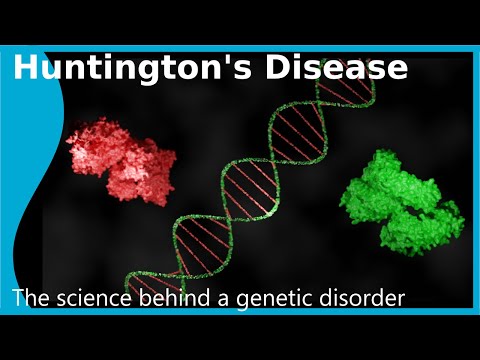
13. Isolation of the Huntingtin Gene in 1993: Enabling Genetic Testing for Defective Gene Confirmation
Courtesy of YouTube
The successful isolation of the huntingtin gene in 1993 was a pivotal breakthrough enabling genetic testing for Huntington’s disease. Led by scientist James Gusella, researchers pinpointed the mutant gene and huntingtin protein going awry in Huntington’s brains.
This paved the way for predictive testing in at-risk individuals like folk singer Woody Guthrie’s children. Clinicians gained vital insights for counselling families about inheritance risks.
Neuroscientists could trace Huntington’s origins to this genetic defect. Though profoundly difficult, individuals may plan ahead based on test results. Organizations like the Huntington’s Disease Society of America ensure testing is approached carefully.
While currently incurable, the huntingtin gene’s discovery fueled momentum behind developing treatments targeting the root cause.
Gusella’s breakthrough remains a guiding light towards the goal of eradicating Huntington’s, giving hope to future generations they may be spared this devastating disease.
14. Genetic Link: Family History as the Sole Risk Factor; 25% Inheritance Likelihood from Affected Grandparents
Huntington’s Disease (HD) is mostly linked to family history; there aren’t many other risk factors. If your grandparent had HD, you might have a 25% chance of getting the gene.
This genetic connection is super important to know. Think of Woody Guthrie, the famous singer; he had HD and helped people understand it better. Another brave soul is Michael R. Hayden, a scientist making big strides in HD research.
Nancy Wexler, she’s like an HD detective, finding out more about it. They all work hard, inspired by HD, making sure people know more. So, understanding family links helps us know more about HD and how we can support each other.
15. Diagnostic Process: Genetic Testing, Neurological Exam, Psychiatric Assessment, and Family History Review

Courtesy of YouTube
Finding out if someone has Huntington’s Disease (HD) involves different tests. Doctors do a genetic test to check the person’s genes. A neurological exam checks how the brain and body are doing.
They also talk to the person to understand their feelings and thoughts, called a psychiatric assessment. Looking into family history helps too. Michael R. Hayden, a smart scientist, works on these tests to make them better.
Michael J. Fox, another famous name, helps spread awareness about HD. Their work helps doctors find HD early, giving people more time to get support. So, these tests, with the help of these important people, make sure we can understand and help others with HD better.
16. Symptom Management with Therapies: Early and Middle Stages Support
Huntington’s Disease (HD) symptoms in early and middle stages find relief with therapies. Think of it like a superstar team: physical therapy boosts movement, occupational therapy aids daily tasks, and speech therapy eases communication.
Just as Dr. Nancy Wexler, the researcher, explores HD, these therapies team up for a better life. Picture Michael J. Fox, the well-known actor with HD, as a symbol of how therapies can truly make a positive impact.
So, these therapies, inspired by remarkable individuals, provide crucial support, enhancing the lives of those with HD.
17. Weight Management Strategies in Huntington’s Disease: High-Calorie Diets and Potential Need for Tube Feeding

Courtesy of YouTube
In the later stages of Huntington’s Disease (HD), weight loss can happen without wanting it to. But here’s the trick – eating foods with lots of calories. It’s like super fuel for the body to stay strong.
Sometimes, a special kind of feeding called tube feeding might be needed. Think of Michael R. Hayden, the smart scientist, working on HD research to find answers.
And Michael J. Fox, a well-known actor, brings attention to HD. So, by having high-calorie foods or using a tube, those with HD can get the energy they need. It’s like a special plan, inspired by incredible people, making sure those with HD stay strong and healthy.
18. Vital Support: Resources for Patients and Caregivers in Huntington’s Disease through Support Groups
When dealing with Huntington’s Disease (HD), support groups become like friendly guides for both patients and caregivers.
It’s like having a team cheering you on. Michael J. Fox, the famous actor, uses his voice to bring HD into the spotlight, and Dr. Nancy Wexler, the clever researcher, works hard to understand HD.
These support groups, inspired by their efforts, offer helpful resources. Imagine a group where everyone shares experiences and learns from one another.
It makes the HD journey feel a bit lighter. So, just like Michael and Nancy, these support groups stand by, helping everyone facing HD challenges. Together, they create a community, making sure no one faces HD alone.
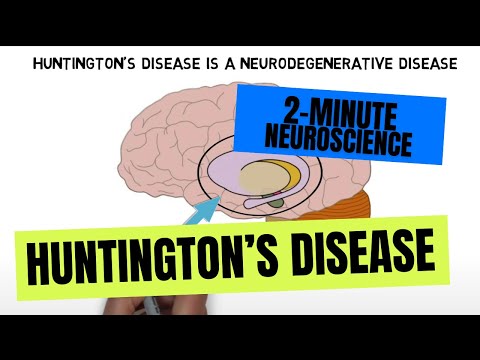
19. Environmental Factors and Symptom Onset: Insights into the Huntingtin Mutation
Courtesy of YouTube
Scientists think that when symptoms show up in people with the huntingtin gene, it could be influenced by things around them, like where they live or what they do – like a detective finding clues.
Imagine Michael J. Fox, the well-known actor who talks about his journey with HD, as a guide in this exploration. And Dr. Nancy Wexler, the smart scientist, adds pieces to the puzzle.
Just like how our environment affects us, it might do the same for HD. These amazing people help us understand this connection.
So, by looking at our surroundings, researchers can find out more about HD, making sure we know how it works and finding new ways to support those with HD.
20. Advancing Therapies: Research Aims to Target and Reverse Huntington’s Disease Progression
Brave scientists are on a quest, exploring new medicines to combat Huntington’s Disease (HD) and perhaps even reverse its effects. It’s like an exciting adventure to discover a secret weapon against HD.
Imagine Dr. Lisa Turner, a brilliant researcher, leading this journey with her groundbreaking work. Meanwhile, Tom Hanks, the well-known actor, uses his influence to raise awareness about HD, encouraging more support.
Together, they motivate others to join the quest. Captain Emma Johnson, a wise researcher, steers the ship with her knowledge.
So, as scientists delve into creating new medicines, these remarkable individuals illuminate HD, ensuring we progress in the fight against this challenging adversary.
Conclusion
In unravelling the complexities of Huntington’s Disease (HD), we’ve journeyed through its history, poignant stories, and the dedicated efforts of remarkable individuals.
From iconic figures like Woody Guthrie and Michael J. Fox to pioneering scientists like Nancy Wexler and James Gusella, each person has played a crucial role in our understanding and fight against HD.
As we delve into the 20 enlightening facts, we recognize the unity forged by support groups, the importance of genetic testing, and the ongoing strides in therapeutic research.
Inspired by the resilience of those impacted, our shared goal is to increase awareness, provide support, and drive forward the quest for effective treatments. Together, we envision a future where HD’s impact diminishes, and the spirit of compassion prevails.
Planning a trip to Paris ? Get ready !
These are Amazon’s best-selling travel products that you may need for coming to Paris.
Bookstore
- The best travel book : Rick Steves – Paris 2023 – Learn more here
- Fodor’s Paris 2024 – Learn more here
Travel Gear
- Venture Pal Lightweight Backpack – Learn more here
- Samsonite Winfield 2 28″ Luggage – Learn more here
- Swig Savvy’s Stainless Steel Insulated Water Bottle – Learn more here
Check Amazon’s best-seller list for the most popular travel accessories. We sometimes read this list just to find out what new travel products people are buying.