
 English


Who Invented The Geiger Counter? 10 Things To Know
Hans Geiger and Walther Müller created the Geiger counter in 1928. It is a tool for ionizing radiation detection. Ionising radiation is a type of radiation with sufficient energy to remove the electrons from atoms and produce ions. Living tissue may be harmed by this.
A useful instrument for identifying and measuring radiation is the Geiger counter. People have benefited from its protection from radiation’s damaging effects. Additionally, it has been employed to produce significant discoveries on the nature of radioactivity.
The Geiger counter is evidence of the creativity and teamwork of its creators. It is a tool that has significantly changed how we think about radiation and its uses.
1. It Is Named After Its Inventors, Hans Geiger and Walther Müller
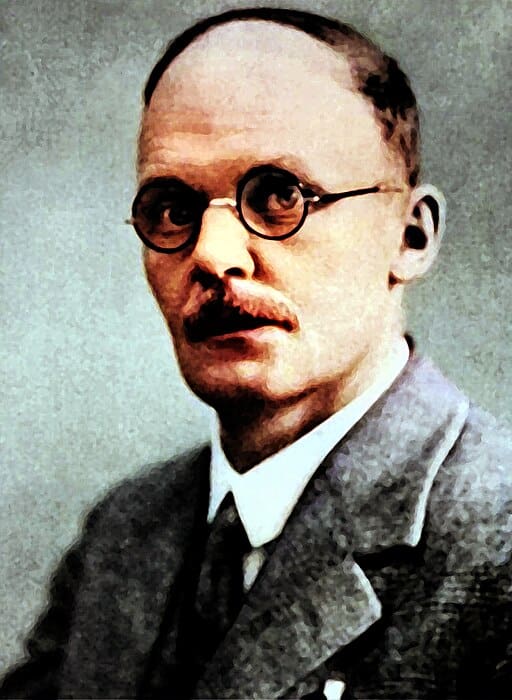
Hans Geiger. https://pixel17.com, CC BY-SA 2.0, via Wikimedia Commons
Hans Geiger and Walther Müller are credited as the Geiger counter’s creators. German physicist Geiger was well recognized for his research on radiation. Müller, a physicist from Germany, served as Geiger’s assistant.
Ionising radiation is detected using a Geiger counter. It operates by counting the amount of ions that radiation produces. When radiation interacts with the gas inside the Geiger counter, ions are created.
A particularly sensitive radiation detector is the Geiger counter. It can be used to gauge the radiation levels in a specific location. Radiation safety, medical diagnosis, industrial inspection, and scientific research are a few of the uses for the Geiger counter.
2. The Counter Works By Counting The Number Of Ions Produced By Radiation
By counting the amount of ions the radiation produces, the Geiger counter is a device that can detect ionizing radiation. Ionizing radiation is a type of radiation with sufficient energy to remove the electrons from atoms and produce ions. The Geiger counter then picks up these ions, resulting in an auditory click or an electrical pulse. The quantity of radiation present is inversely correlated with the number of clicks or pulses.
A particularly sensitive radiation detector is the Geiger counter. Even at very low levels, it can be used to estimate the radiation exposure in a specific location. Radiation safety, medical diagnosis, industrial inspection, and scientific research are a few of the uses for the Geiger counter.
3. The Ions Are Produced When Radiation Interacts With The Gas Inside The Geiger counter
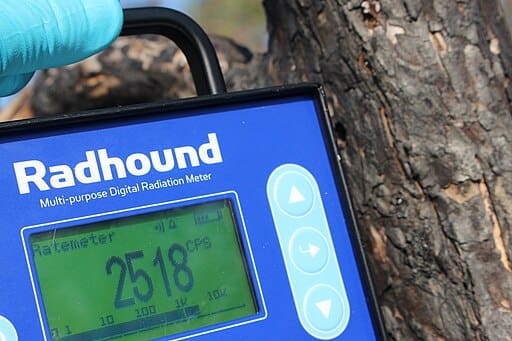
A Radhound Geiger-Müller radiation detector.ArticCynda, CC BY-SA 4.0, via Wikimedia Commons
A useful instrument for identifying and measuring radiation is the Geiger counter. People have benefited from its protection from radiation’s damaging effects. Additionally, it has been employed to produce significant discoveries on the nature of radioactivity.
When radiation interacts with the gas inside the Geiger counter, ions are created. Typically, an inert gas like argon or neon is used as the gas in the Geiger counter. When radiation and gas interact, it dislodges electrons from the atoms to produce ions. As these ions move in the direction of the electrodes inside the Geiger counter, an electrical current is produced. The current is enhanced before the Geiger counter begins to count it.
The quantity of ions created is inversely related to the radiation level. Therefore, as radiation levels increase, more ions are created, increasing the count.
4. The Geiger counter is A Very Sensitive Detector Of Radiation
A particularly sensitive radiation detector is the Geiger counter. It is an important tool for environmental monitoring and radiation safety since it can detect even the smallest levels of radiation. The Geiger counter operates by counting the ions that radiation produces. The reading on the Geiger counter increases as more ions are created.
The Geiger counter can be used to assess the radiation levels in specific locations, such as nuclear power plants or medical facilities. People can be safeguarded against radiation exposure by using this information.
The Geiger counter can be utilized to keep track of radiation levels in the soil, water, and air. The spread of radioactivity from nuclear accidents or natural disasters can be monitored using this information.
Scientists use the Geiger counter to investigate the characteristics of radiation and how it affects matter. We may utilize this knowledge to create new technologies and deepen our understanding of the cosmos.
5. It Can Be Used To Measure The Amount Of Radiation Present In A Given Area

Geiger-Müller radiation detector. Boffy b, CC BY-SA 3.0, via Wikimedia Commons
Consider yourself a scientist researching how radiation affects plants. To gauge the radiation output of a radioactive source, like a cobalt-60 source, you may use a Geiger counter. The radiation exposure of plants may then be measured by positioning them close to the radiation source. You might find this material useful in understanding how radiation impacts the growth and development of plants.
The Geiger counter is a strong and flexible instrument with numerous uses. It is a useful tool for both expanding our understanding of the environment and safeguarding individuals from the negative effects of radiation.
6. The Geiger counter Is Used In A Variety Of Applications
Imagine yourself as a nuclear engineer employed by a power station. You must guarantee that the radiation levels in the facility are secure for both employees and the general public. To determine the radiation levels in various parts of the plant, use a Geiger counter. You might see any possible issues and fix them with the aid of this knowledge.
The Geiger counter is a strong and flexible instrument with numerous uses. It is a useful tool for both expanding our understanding of the environment and safeguarding individuals from the negative effects of radiation.
7. The Counter Is A Valuable Tool For Detecting And Measuring Radiation
Think of yourself as a firefighter who is called to a nuclear disaster. For the purpose of defending both yourself and others, you must be aware of the radiation levels in the vicinity. To gauge the radiation levels in various parts of the disaster region, use a Geiger counter. You could decide how to move forward safely with the help of this information.
A useful tool that has assisted in saving lives and shielding people from radiation’s detrimental effects is the Geiger counter. It serves as a warning that radiation can be hazardous in even minute doses, and that it is crucial to be aware of the dangers.
8. The Geiger counter Has Been Used To Detect Radiation From A Variety Of Sources

Geiger Counter. Jeff Keyzer from Seattle, WA, USA, CC BY-SA 2.0, via Wikimedia Commons
Consider yourself a scientist researching how radiation affects plants. To gauge the radiation output of a radioactive source, like a cobalt-60 source, you may use a Geiger counter. The radiation exposure of plants may then be measured by positioning them close to the radiation source. You might find this material useful in understanding how radiation impacts the growth and development of plants.
The Geiger counter is a strong and flexible instrument with numerous uses. It is a useful tool for both expanding our understanding of the environment and safeguarding individuals from the negative effects of radiation.
9. The Geiger Counter Has Helped To Protect People From The Harmful Effects Of Radiation
Think of yourself as a firefighter who is called to a nuclear disaster. For the purpose of defending both yourself and others, you must be aware of the radiation levels in the vicinity. To gauge the radiation levels in various parts of the disaster region, use a Geiger counter. You could decide how to move forward safely with the help of this information.
A useful tool that has assisted in saving lives and shielding people from radiation’s detrimental effects is the Geiger counter. It serves as a warning that radiation can be hazardous in even minute doses, and that it is crucial to be aware of the dangers.
10. New Models Are Being Developed All The Time

Soviet Military Geiger Counter. Łukasz Karolewski (Dozymetr), CC BY-SA 3.0, via Wikimedia Commons
The Geiger counter is a device that is continually changing. The Geiger counter’s appearance and capabilities have changed significantly since it was first created in 1928.
Modern Geiger counters are substantially smaller and more portable than the very huge and bulky early Geiger counters. Additionally, they are more sensitive, which enables them to pick up even the tiniest radiation particles.
Other radiation detectors, such as scintillation counters and semiconductor detectors, are now readily available in addition to conventional Geiger counters. The appropriate sort of detector for a given application will rely on the unique requirements of the user. These detectors offer various benefits and drawbacks.
The Geiger counter’s usefulness for radiation detection and measurement is demonstrated by the fact that it is still being developed. The Geiger counter will continue to improve and become more potent and adaptable as new technologies are created.
The continued development of the Geiger counter is a testament to the importance of this instrument for radiation detection and measurement. As new technologies are developed, the Geiger counter will continue to evolve and become even more powerful and versatile.
Planning a trip to Paris ? Get ready !
These are Amazon’s best-selling travel products that you may need for coming to Paris.
Bookstore
- The best travel book : Rick Steves – Paris 2023 – Learn more here
- Fodor’s Paris 2024 – Learn more here
Travel Gear
- Venture Pal Lightweight Backpack – Learn more here
- Samsonite Winfield 2 28″ Luggage – Learn more here
- Swig Savvy’s Stainless Steel Insulated Water Bottle – Learn more here
Check Amazon’s best-seller list for the most popular travel accessories. We sometimes read this list just to find out what new travel products people are buying.






.jpg)


.jpg)
